800,000 Airbnb hosts: portrait of a France that adapts and reinvents itself
Who are the French people renting out on Airbnb? Not speculators. Not trust-fund landlords. A sweeping field study by trend consultancy Maison Cassely, spanning 10 stops and hundreds of face-to-face conversations across France, paints a picture of middle-class homeowners fighting to maintain their standard of living. These are profiles that property managers know well: they're your clients.
1 in 100 French people is an Airbnb host
Nearly 800,000 households are registered as hosts on Airbnb in France. While one in two French people has travelled through the platform, this population of hosts is far less known. Yet it forms an unprecedented panel for understanding the country's property-owning middle class.
Their typical profile: median age of 48, working professionals or young retirees, middle to upper-middle income, owners of one or more properties. Neither wealthy nor struggling. A middle France, taxpaying, politically engaged, and rarely in the media spotlight.
Work no longer pays (enough)
This is the most recurring finding in the study. These French people are not in financial distress, but they can no longer rely on their professional income alone to sustain the lifestyle they aspire to: housing, children's education, holidays, leisure. Short-term rental has become their adjustment variable.
The sentence researchers heard most often? "It pays for the bills, the charges and the upkeep of the property." This isn't about getting rich. It's about staying afloat.
"The maths was simple: we wanted more space, a pool and a bigger garden, but with the same mortgage level. We were short by €300 a month. So we renovated the outbuilding in the garden. That's what made the whole thing possible."
Manu, 36, father of three, estate agent in eastern France
The rise of the local property-entrepreneur
The study identifies an emerging figure: the local property-entrepreneur. Neither a passive landlord nor a tech-bro investor, the Airbnb host puts their own labour into their property. They renovate, they manage, they welcome guests. It's a real job, even when it remains a side activity.
Gilles, 51, a former soldier in the Vosges mountains, and his partner, a hairdresser, built a cluster of tiny houses on a plot of land next to their home. They construct the cabins themselves, handle the laundry, and plan to go part-time in their day jobs to dedicate more time to hosting. Like many, they've set up a company to manage their rentals, but the operation remains hands-on and local.
A nation of small-scale multi-property owners
France's national statistics office (Insee) counted nearly 10 million people owning more than one property in 2022, a third of all homeowners. Airbnb hosts are a tangible illustration: the Nantes local who buys a studio in Saint-Nazaire for €45,000, the couple who snaps up the house next door to turn it into a guesthouse, the shopkeeper who invests in a small flat to prepare for retirement.
The study also highlights a generational shift: among millennials, the boundaries between primary residence, lifestyle purchase and investment property are blurring. Some buy a rental investment before they can afford their own home, because city prices are out of reach. Others rent out their Paris flat on Airbnb while working remotely from a second property in the provinces.
What hosts really think about their guests
The study also captured unfiltered host conversations during community meetups. What came out will ring true for every property manager: guests don't read the listing, they want to check in as early as possible and leave as late as possible, and "they expect the Ritz at Ibis prices."
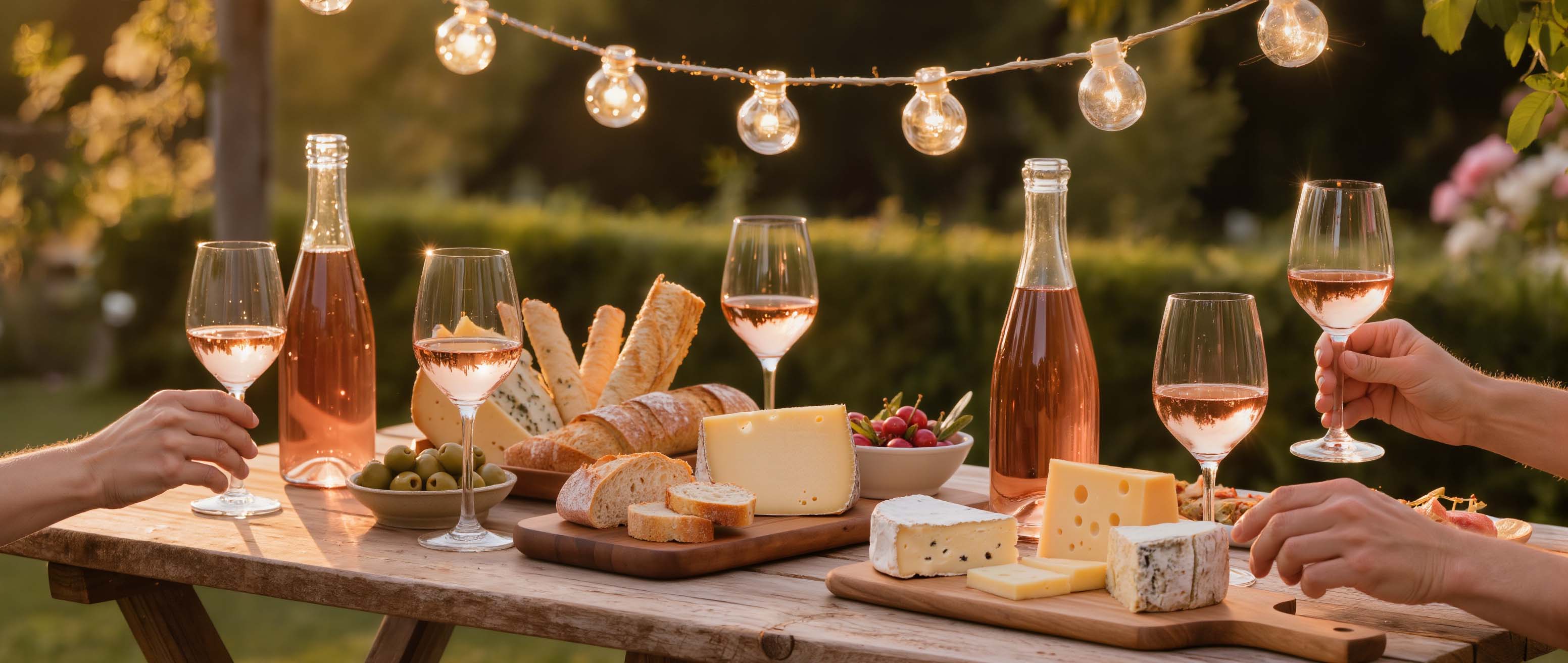
But beyond the anecdotes, the study also points out that "most of the time, it goes really well." Many guests leave a small gift. And hosts themselves often put out a bottle of wine or chocolates on arrival. Hospitality remains at the heart of the relationship.
"Running a property management company isn't about kicking back and working from Bali. You have to be available all the time, respond instantly and anticipate problems before they happen."
A host-turned-property manager in southern France
The key box paradox
Key boxes have become the symbol of everything wrong with short-term rental: anonymity, transactional logic, zero human contact. Yet the study reveals a paradox that every property manager knows well: key boxes simplify things and even reassure people (meeting a stranger for the first time creates genuine anxiety on both sides), but the stays guests remember most are always the ones where they met their host.
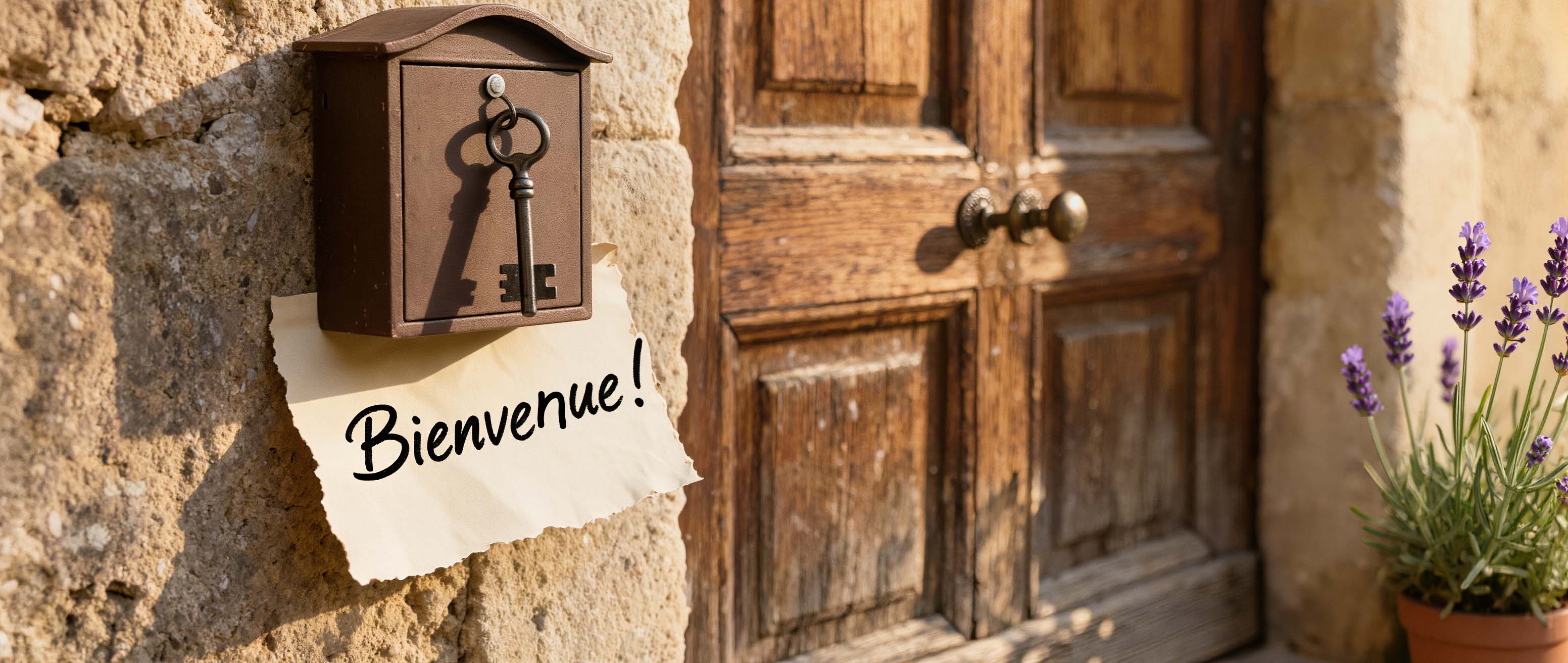
That's precisely the challenge tools like the Online Check-in address: streamlining the arrival without removing the human touch, automating the necessary so there's time left for the welcome.
A middle France: 800,000 households, median age 48, middle to upper-middle income, homeowners. Neither wealthy nor struggling.
Work alone isn't enough: short-term rental has become the adjustment variable to maintain their standard of living, not to get rich.
Local property-entrepreneurs: they renovate, manage and welcome guests themselves. Being an Airbnb host is real work, not passive income.
Hospitality still matters most: despite key boxes and automation, it's the human encounter that makes a stay memorable.
About this study · "Un apéro avec 800 000 Français" (A drink with 800,000 French people) is a field study by trend consultancy Maison Cassely, commissioned by Airbnb (April 2026). It draws on a 10-stop tour of France (Lille, Nogent-le-Rotrou, Loire Valley, Nantes, Bordeaux, Var, Cannes, Lyon, Vosges, Paris) and hundreds of conversations with Airbnb hosts. The full study is available on the Maison Cassely website.